The Two-Account Relay: Switching Banks Without a Missed Bill
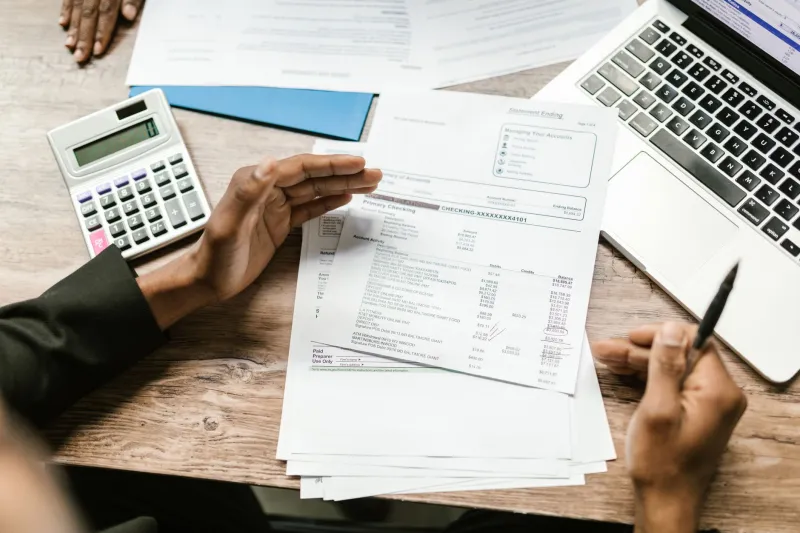
Switching banks sounds dramatic. In practice, it’s mostly logistics: a paycheck here, a utility autopay there, a streaming subscription you forgot you still had. The risk isn’t emotional. It’s a missed bill, a returned payment, or an overdraft fee that shows up because one account was closed a few days too soon.
The calmer approach is to treat the switch like a relay, not a breakup. You don’t slam the old account shut and hope. You open the new one, move things over in passes, and keep both accounts running in parallel for about a month. Boring? Yes. Effective? Very.
Start with a map, not a leap
Before you open anything, log into your current bank account and look back 60 to 90 days. You’re building a list of everything tied to that account.
Start with money coming in: payroll direct deposit, Social Security or other federal benefits, side-gig payouts, tax refunds, and any regular transfers from family or roommates. Then list money going out: rent, utilities, insurance, phone, loan payments, credit cards, subscriptions, gym dues, and anything else on autopay.
Here’s the detail people miss: not all autopays work the same way. Some merchants pull money using your routing and account numbers. Others store your debit card number. A few use a payment app or digital wallet. Each type needs a different update, so note how each bill is paid, not just that it exists.
Open the new account first
Choose a new bank or credit union and open the account while the old one is still active. In the US, look for FDIC insurance at a bank or NCUA insurance at a credit union. Ask about monthly fees, minimum balance requirements, ATM access, and how overdrafts are handled.
Once the account is open, fund it with a small amount and get your new routing and account numbers. Set up low-balance alerts immediately. If the bank offers an optional overdraft “courtesy” program, decide deliberately whether you want it. Many people are better off without it.
Move the paycheck carefully
Direct deposit changes can take one or two pay cycles. Submit the change through your employer’s payroll system or HR portal, then confirm it in writing if you can. Keep the old account open and funded until you see the first deposit land in the new account and verify the amount.
If you receive federal benefits, use the official change process for those payments rather than relying on a phone call to your bank. For side gigs, each platform usually has its own payout settings, so update them one by one.
Split the autopay updates into two passes
First pass: bills that pull from your account using routing and account numbers. Update those in each merchant’s portal and save a screenshot or confirmation number.
Second pass: debit card subscriptions and app-based payments. Update the card on file, then check whether any “card updater” service automatically pushed your new card information to merchants. That can help, but don’t assume it caught everything. Review your recurring charges manually.
Leave a cushion in the old account
Don’t drain the old account to zero the day you switch. Leave enough to cover any straggler bill or pending transaction, plus a small buffer for bank fees. A $100 to $300 cushion is often enough for ordinary household bills, but adjust for your own situation.
Check both accounts weekly during the transition. Look for pending transactions, failed autopays, and any deposit that landed in the old account after you thought it was empty. If a bill fails, pay it immediately from the new account, then call the merchant and ask about waiving any late fee. Most will work with you if you act fast.
Run both accounts for a full cycle
Give the switch at least one full statement cycle, ideally close to a month. During that time, the old account may still receive a paycheck or two. That’s fine. Transfer the money to the new account after it clears.
Use the new account for everyday spending and bill payments. Reconcile both accounts each week. This parallel period is your safety net: if you discover a forgotten autopay, you still have a funded account to fix it from.
When is it actually safe to close?
Close the old account only after all of these are true:
- At least one full cycle has passed with no new charges or withdrawals on the old account.
- All direct deposits have been rerouted and confirmed.
- Every autopay has successfully debited from the new account at least once.
- The old balance has been moved, and no pending transactions remain.
- You’ve downloaded old statements you might need for taxes or records.
Then contact the old bank and ask for written confirmation of closure. Keep that confirmation number. Cut up the debit card. If the account was joint, make sure every owner understands the plan before anyone closes it.
Quiet traps to avoid
Watch out for yearly or quarterly autopays that don’t show up in a one-month review. Insurance premiums, annual subscriptions, and some memberships can surprise you. Also update payment apps like Zelle or Venmo if they’re linked to the old account. If you have outstanding checks, leave enough money in the old account for them to clear before closing.
Switching banks isn’t a loyalty test. It’s plumbing. A two-account relay keeps the water running while you change the pipes, and it gives you room to catch the small things before they become expensive ones.